Cand pe lume vine o minune… de fetita

by Zaharia Bonte
Bruxelles, Belgia

Cu Octavian Curpas ne-am cunoscut în spatiul virtual, unde am si ramas: cunostinte, parteneri de dialog si polemici, prieteni – prieteni virtuali, dar adevarati – si frati în credinta.  Calitatea de frate e cea pe care o simt mai arzânda, prietenia o cultiv – o cultivam –  în fiecare zi, iar cea de polemist… cam de câte ori se iveste ocazia. Nu stiu ce i-a vorbit în mod deosebit din scrierile mele, ca scriu rar, cuminte si asezat si vrednic de admirat… si mai ales nu public, sau public tot mai rar.  Scriu însa din belsug ’cimilituri’ si tot felul de note pe apucate si pe patite ori pe introvertite, din acelea pe care le fac, dar care nu le plac românilor; de unde ar fi sa le placa americanilor, iar românilor americani nici pe atât.
Iar daca  ar fi s-o spun pe cea dreapta, as recunoaste aici, pe hârtie ca atunci când ma încearca vreo pizma prin valurile vietii, vad – evident ca o vad în ceata – barca aceea de care nu stiam si pe care n-o visam, atunci când cei din generatia mea treceau Dunarea cu ea si apoi Atlanticul…    Dar oricum, nu m-as fi napustit printre gloante si obuze !

Un prieten bun în America era oarecând o mare comoara, azi e tot pe atâta, oriunde l-ai gasi, asa ca tin mult la Octavian, la lucrurile care ne apropie si caut mereu altele noi; asta si pentru ca el a ajuns si a reusit în America; iata ca un fericit prilej s-a si ivit:
În familia lui a poposit azi-noapte un îngeras de fetita ! Acum sa nu ma întrebati daca era noapte la noi sau la ei, ca am început sa le amestec, la gândul ca as fi putut razbi si eu; asa ca va voi povesti ceea ce stiu mai bine, ca am aflat mai de demult…
Octavian s-a nascut, a copilarit si s-a maturizat în Bihorul vecin mie.  America l-a fascinat si l-a atras pe când era cu sufletul sfâsiat de durerea pierderii tatalui sau, prin anii ’97, dar n-au putut America si Cordilierii si Arizona cu Canioanele lor, cu soare, caldura si racoare, sa-i racoreasca pe deplin nici dorul, nici durerea unui suflet vajnic de român. Octavian a ramas un vesnic cautator. Am citit ca a scris undeva sa se fi bucurat copilareste si atunci când m-a gasit si pe mine în partea aproape opusa a globului pamântesc, asa ca am ramas tot vecini: de la Oradea la Satu Mare sau din Arizona la Bruxelles… Când m-a apelat pentru prima data, suferea iarasi aceeasi durere pricinuita de vremelnicia si neputinta triumfului vietii pamântesti în fata mortii – sotia lui pierduse prima sarcina.
Ca oriunde ai fi în lumea aceasta – si America nu face exceptie – viata umana este vremelnica si marcata de suferinta. De aceea credinta, pe care am capatat-o deopotriva, ca dar ceresc, ne este idealul cel mai de pret pentru care luptam, pe care îl pastram nealterat si de mare pret. În acest spirit am scris si publicat eseurile despre Nicolae Moldovan, Octavian Paler…,  de unde mi-a gasit el urma.
Ziceam ca i s-a nascut lui Octavian o fetita, cred eu  ’un mesager anticriza’; si daca avem în vedere ca la Nasterea Mântuitorului au venit din Rasarit niste magi sa-I aduca daruri Pruncului nou nascut, ma gândesc ca printesei lor mi-as putea îngadui sa le duc în zbor – prin spatiul virtual, ca în el am ramas – si darul meu de bunic si sa mi-o alatur pe Janice celor sase, in curând sapte, nepotei ai mei.

CASA CU ZÂMBET

Casa cu zâmbet si soare si vorbe domoale;
Toti calca pe vârfuri sa nu mi te scoale
Pe tine, printesa, ce bine-ai venit,
În casa cu nou rasarit !

E soare si multa caldura,
Veselia si harul casa umplura;
Cum pot sa citesc pe chipul ceresc,
Bucuria, lumina, curajul, ce toti îti doresc ?

Ca magii, cu daruri, de pretutindeni venim
La casa-n lumina… sa va împartasim
Bucuria ce Domnul voua v-a dat,
Rodul iubirii binecuvântat.

Un sol de iubire
Îmbracat în inul subtire,
Un zâmbet de mai pe al vostru plai
În casa voastra cu soare, zâmbet si cu alai !

*****

Ca nu-s bucuriile vietii si nici orele diminetii
Mai duioase ca pruncii facuti în anii tineretii
Ferice este de oricine tolba si-o umple cu ei
Iar voi, Roxi si Tavi, si fericitul vostru temei…!

Ziceam ca îi stiu pe Octavian si pe Roxana Curpas ca pe niste cautatori de comori, comori asezate în vase de lut, cautatori adica, de suflete sensibile, iubitoare de arta cuvântului, asa cum sunt si ei. Nu mi-a fost înca dat, dar sunt sigur ca  daca m-as numara printre participantii la o sindrofie literara în casa lui,… l-as auzi recitând cu voce de bariton:
« Venisem flacau de pe Crisuri/ Cu sufletu-n trei învelisuri:/ De jale, de dor…
de libertate’(sau poate de literatura) ! »
?i asta pentru ca este nu doar un talentat si harnic cronicar literar, cunoscator  si pastrator al limbii strabune,  ci si un luptator si un factor si un sol al gasirii si al strângerii laolalta a multor fii ai neamului împrastiati prin lumea larga, suflete sensibile ce se mângâie si se încurajeaza reciproc, prin puterea cuvântului rostit raspicat, scris frumos.
Venit parca din epoca patriarhala, pentru Octavian, familia trebuie sa fie mare, unita si întregita. As putea spune ca în Suveranitatea Lui nelimitata, Dumnezeu i-a îndeplinit doar în parte dorinta; asemeni patriarhului Avraam,  prietenul meu l-a pierdut pe tatal sau înca de tânar, asa cum si parintele sotiei lui i-a parasit pentru plaiuri mai bune, ceresti, de multi ani de zile.
Pe mica printesa o întâmpina în Arizona, plaiul cel mai însorit din toata America, alaturi de mama si tata, fericitii parinti, cele doua bunici, unchi, matusi, verisori, biserica unde tatal ei este prezbiter, ca familia trebuie sa fie mare, unita, sa locuiasca  aproape… Familia trebuie sa fie si biserica si biserica trebuie sa fie familie.
?i noi suntem aproape, noi, cei pe care Octavian ne-a gasit, ne-a pretuit si ne stimeaza, vrea sa ne aiba în juru-i în spatiul nostru comun, fie si virtual, mostenirea strabuna: literatura crestina, morala si cultura iudeo-crestina.
Ne bucuram cu tine, prieten drag, ne bucuram de fiica ta. Te întâmpinam în numele Domnului, Janice, si iti descifram zâmbetul, gânguritul: Domnul fie laudat !

Romanian talented blossoms in Arizona

by Roxana Curpas

It is believed that in 1903, the Lumiere brothers patented a color photography process. Throughout the 20th and the 21st centuries, many have developed a passion for photography or understood how to make money from such a passion.

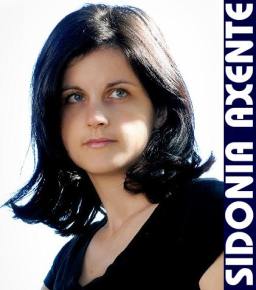
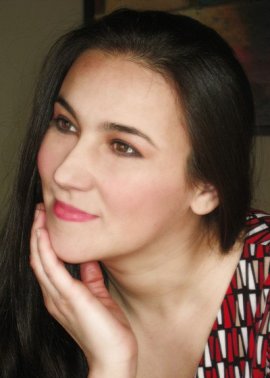
Sidonia AxenteIt happened the same with Sidonia Axente, who immortalizes for eternity the most beautiful, the happiest moments of a couple: the marriage ceremony, and their engagement party. As a confirmation of her great job, after becoming parents, many couples felt only appropriate to ask her to make, with inspiration, the photos that will become the memories of the baptizing ceremony for their child – which made her portfolio to grow in diversity.
She learned the trade of this profession from her father, and she tells us that her professional debut as a photographer was when she was only thirteen years old, even though the passion for photography she carried within her ever since she entered at school.
She’s presently located in Arizona, she has two children, and a husband who’s also her business partner. She’s a natively inclined photographer, who’s practicing for over 16 years the art of photography, and she has never considered changing her calling. She admires Jerry Ghionis and she likes couples who throw everything on the table for the memory of a lifetime!

Sidonia Axente was born in March 1976, at Codlea – the County of Brasov, in Romania – where in fact her parents are still living to this day – the city of her childhood. She never forgets those times – moments filled with wonderful memories – and the dearest image of all is the one of her beloved forest. Se is an only child, of whose mother was a local bank employee, ending up by achieving the position of bank president. Her father was a photographer – the source of the inspiration that she inherited. Sidonia has two children, a boy – named Ernest – and a daughter, Larisa, who’s eight years old. Larisa seems to have already stepped into her mother’s shoes, already claiming the title of the class artist, at school, showing a real passion for artistic painting. Larisa is always the first in her class that turns in the assignments, so she has time to draw in peace, after that.

Sidonia is not only a great mother and a supportive wife, but she’s a formidable professional, a gifted free lance photographer that does not intend to influence the choices of her children’s careers. She intends to give to her children the freedom to choose each one for him/her a way in life. From her own experience she knows that when you do what you love, it is not really working, anyway …

Sidonia is married since November 11th, 2000 with Michael, who does exclusively video productions. The two of them successfully teamed up in business, as well as in life, and Michael is Sidonia’s greatest art critic. Michael, in parallel is also an electrician ? (journeyman) – at the Electricians? Association / Union.

In Sidonia’s case, her academic training – Accounting College that she graduated in Romania – did not help her much. To succeed, in her business – like in any business- the success is not only talent as an artist photographer, but business capabilities, as well.

In Sidonia’s opinion ” if you are not also a go-getter in that profession, you may very well end up with beautiful photos on your walls, and with an empty wallet in your purse ” .

In Romania Sidonia took courses of video-editing and video-operating, classes taught at local television station, in Brasov, by professionals invited to teach and lecture from Romanian National Television – main Romanian news channel: TVR 1. She even wet her feet in TV, working for a while as a camera-woman for the news department, where she gained experience and crystallized a style as a photo-journalist.

In this profession – she says – there are no limits as to what you can do, which made her fall in love with her calling as an artist-photographer. For each new event involving her expertise, she’s open to any new challenges related to all opportunities, regardless if the new comes from people, places or experiences. With respect to the word “failure”, the artist states that she’s not afraid to fail, but that she tries to anticipate the failures and avoid them to the extent possible. She learns from other people’s mistakes; and by quoting her father, she says “ordinary people learn from their own mistakes, smart people learn from other people’s mistakes”.

If asked what would be her project of choice in photography, it would be undisputed the ceremony of marriage, with all that the event involves, starting with the engagement announcement and ending with “trash the dress session”. With that said, it is not surprising that her majority orders are wedding ceremonies, and this type of projects are also the area in which, as a business-woman, she works the hardest to promote herself. Lately, however, Sidonia is more and more required to cover with her gift baptizing ceremonies as well, mostly by people that when they got married they did not understood the need of hiring a professional photographer, specialized in this type of event – an expert to catch on celluloid the true essence of the event. After the fact, all these non-believers became true believers in the concept of choosing the right man (woman in our case …) for the right job. These people, armed with the new discovery are in the search for a Master of Photography, for the baptizing ceremony of their child, and Sidonia knows how to promote her talents and to take advantage of the opportunity, and in the process, the parent-couple gets a photo session, to reward the initial loss (the lack of a professional photographer at their wedding) in which they are educated about the importance of quality memories, and presented with different options as scenarios.

Sometimes Sidonia Axente plays with her gift, by taking photos using her daughter’s “point and shoot” camera, which “it will amaze you with the quality of the photo done by that regular camera”. When it’s about advertising, she does it all, and she’s happy with the results – she thinks she has a great capability to sell her product. At this moment she works exclusively by referrals, but the possibility of starting a professional advertising campaign for her business is a project for her near future. For the moment her business, along with Michael’s, is present on several websites dedicated to this type of business, such as: http://www.Weddingwire.com or?www.Eventective.com.

Going down the memory lane, Sidonia remembers how everything started in Romania, when she was only sixteen. She will never forget her first wedding project: September 5th, 1992. In Romania she had her own studio, opened with her father in 1996. Like any successful business, it takes a lot of hard work, but she did it with joy and confidence, and in 2003 she takes full charge of the entire photo-studio operation. Ironic, when everything started to work as planned, Michael earns for himself and for his family the American dream, with “Diversity Visa Program”. For the family the decision to try a fresh start in the “Promise Land” was not a difficult one, since they dreamed all their life to live outside Romania.

Her first contact with the world outside Romania was when she was 12, right before the Romanian Revolution in 1989, in a memorable trip offered by her parents. They had a month of traveling, with the family “Dacia” and a camping trailer, inside few of the Eastern states: Democratic Republic of Germany (at the time), Czechoslovakia, Hungary and Poland, an experience that deeply touched Sidonia, who suffered by comparison of what her own country experienced at the time. Returning to Romania, she suffered when she realized how poor and limited her own people were forced to live their lives. In all this time, during their trip to Eastern Europe, the entire family had airline tickets to Australia with the intent to petition political asylum. It never happened: they returned home, and not long after the Romanian Revolution changed the communist regime of Ceausescu. Soon after that, in 1990, she went into a new trip – with other children of her age, in excursion – outside Romania, this time in the Western Europe – in Austria. There, she remembers, the group coordinators would administer pills to calm the kids down, who’s energy when experiencing the multitude of colors, products, and smiley faces of all over happy people was hard to be controlled. Sidonia’s perception of the communist society, at her return from Austria was only emptiness in her soul, misery and sadness on the faces of her co-nationals, and the feeling of darkness in all the gray corners of empty Romanian markets. But most of all the lack of hope and the lack of happiness, and the missing smiles of the faces of Romanians made her to forever dream to emigrate. The perseverance finally made her dream come true: after several unsuccessful attempts to “lottery visa”, the sixth time Michael was a winner, for himself and for his family!

Presently, about 90 percent of the entire work done by Sidonia revolves around wedding projects, and she never feels better inspired as she is when dealing with marriage ceremonies. In her opinion an important factor when dealing with couples is to make them feel comfortable with their artist-photographer, and she works for that even from the very first moments, when the engagement ceremony project is on the works. Even though there were instances when she was not able to establish chemistry with the couple, the overall experience is a smooth cooperation and understanding between her as a Master of Ceremony in her field, and clients – the happy couple – in the most important event of their lives: a new beginning.
And an added plus to this strategy is the fact that she is present to the engagement ceremony, as photographer, so by the time when the wedding is scheduled, the mutual acceptance and the comfort is already in place, between the artist, the groom and the bride.

Sidonia Axente chose the field of the wedding expertise somehow guided by her father, on one hand, and by the market demand at that time: Romania of 1992, where with wedding ceremonies an artist photographer would be able to earn a decent living. While specializing in the secrets of this art, she learned to enjoy it, and not to look at this as to a job, but much more as to a hobby with financial benefits… and that even from the times when she was still a high school student. That way she never asked money from her parents, and she learned from an early age the value of the honest hard worked money. Maybe the money were too strong of a factor when she took the decision – a disputable decision, but not too late to be changed, …- of not continuing the higher education, in an university,…
And if in Romania, due to her numerous projects she was over-worked, and the quality of her photos was on the commercial side of the art spectrum, without time to perfect her style into a signature work, since she moved to US she got the opportunity to work and learn from professional photographers, trained here, in America design and arts academies. Her style got personality and her techniques became unique: she’s avoiding the stereotypes by leaving her personalized mark in her works. And the fact that she’s a Pisces – the sign of artists – would not hurt her artistic approach either,… in her profession?

During the years of successfully promoting her talents on the professional market, she had many funny experiences. One is always alive in her memory: her first photo, done in Romania, at a civil marriage ceremony. For over two years she was her father silent assistant: she learned the secrets of the job, by carrying the bag of her father, starting her apprenticeship when she was only 12 years old. And her “baptizing” in this profession came one day, when her father told her: “You take pictures while I?ll change the film-role to the other camera”. Sidonia was already overwhelmed by responsibility of her first “hand on” experience, never mind the presence of the City Mayor and his assistant, and over 60 guests to the couple’s event. She remember that “she froze” and she got sick to her stomach, due to the high emotions … Now she’s laughing when looking back … but at the time it seems like the most serious moment of her life.

Sidonia Axente had been thrilled to take part of “DWF Convention” between 11th and 14th of January (2009) at “Carefree Resort” in Arizona. There she experienced “hands on” expertise from masters of photography of he northern American territory, with international participation as well, in different particular areas, such as: fashion photography, photo journalism, high end weddings, light techniques, sales, marketing business management, etc. The event was honored by the presence of the Australian Photographer Guru Kevin KUBOTA – the receptor of the title “One of the top 10 Wedding Photographers in the World” by The American Photo Magazine. She had also the privilege to meet Denis REGGIE (USA) named “the best in business” by the famous Oprah.

As long term projects, Sidonia is looking forward to become an American citizen, and she dreams to the day when she will have the opportunity to live again in a mountain area, surrounded by grass, and neighbored by the forest – a similar landscape as in her beloved Codlea – the town of her childhood – regardless if this place will be in Arizona, or any other corner of the US.
Like any respectable professional, she believes in the concept of artistic photography, even though in her opinion “the art never ends its possibilities, they are only temporary abandoned”. She never has a problem with deadlines, and “working under pressure”. Even more, she’s prouder of her results done under pressure. Ever since she is in the US, she worked in a bank, but her “day job” does not match her artistic soul: the routine of the rigorous?banking program, with predictable breaks, always at the same time of the day, and endless house in front of a computer screen is not something she looks forward in her “day job”.

For the moment Sidonia Axente in only into photography, but for her future she plans to approach another field, and she is thinking of Psychology.

If asked for advice in her line of work – art photography – she would suggest to whoever is interested, to have a “day job” because of the random orders in this line of work, where you never can predict the income. Also she insists on seriousness and professionalism in approaching any job, big or small. She thinks of herself as a “native born photographer”. She’s somewhat frustrated of the idea that no one told her at her beginnings how much money out of pocket this job involves, how much dedication it takes to become a professional photographer, and the fact that technology can become obsolete in less than half a year.

It is Sidonia’s opinion that she’s far for knowing all the secrets of the photographic art, and the more she learns, the more she realizes how broad the photographic spectrum it is, but she does it with satisfaction, and she looks at it not like a job, but like a joy.
Obviously , nothing can be perfect – like in any profession, the goal is get over it , and move on: it annoys her second hand smoke, especially felt at weddings in Romania, and the “competent advises” of all types , made by “occasional experts” in all areas of photography: light, techniques, etc …, advises that you cannot bluntly dismiss them , because they are coming from your clients’ dear relatives … Once of the sudden everyone knows everything about photography, and the liqueur on the tables at any family event, either is a wedding, or a baptizing, it becomes an inspiring factor … This is how you end up hearing “priceless remarks” like ” Come on , go on, we know that there is nothing will go wrong , it’s good the way it is …”. At the same time , there is nothing more frustrating as a professional photographer than – when you finally put everyone in place for their dream picture – someone in the group finds exactly in that moment something to do, something so important that will take no delay: to tell a joke on the cell phone to an old buddy that is not present …
And that moments are crucial for the well being of the group photo, and the entire project, but hey, “our customer, our master” , so the hack with the professional advise …

This is the reason for which Sidonia would wish that people are not in such rush when it’s about to leave memories on celluloid, especially when about wedding memories. Of course there are couples that have fully understood the need for patience and the need to follow the expert advice of the artist photographer for the exceptional outcome of the entire project, but unfortunately this is not the case all the time.
There is also the type of the client who expects the impossible from Sidonia: she has to do her job flawless, the photos have to be exceptional at poorest, and their contribution should be either none, or at best a passive one: a non-participation in which the photograph has to do the entire work, herself? There is no doubt, the wedding day comes with a lot of stress, and anxiety, hopes and desire for absolute perfection, and it is not easy for the groom and bride to be all smiley and joyful, and especially because of that reality Sidonia recommends her clients to reserve few hours for the after wedding session, when both the groom and the bride are relaxed and disconnected from the prior tensions.

With respect to the photographic techniques, it is Sidonia’s professional opinion that everything revolves around the type of job and situation in the field: there is no universal accepted technique that will work always, in any circumstances, but she recognizes the help of the new computer technology, in which “Photoshop” software can turn a good photo into an excellent picture.

Her tools of choice are Nikon cameras and Nikon professional lenses, and the main sources of inspiration for her are professional publications – mainly in the fashion field – and movies. So are the professional gatherings – like congresses, or symposia, exhibitions – , and she finds herself almost never inspired by her colleagues in the art – photographic field. The Internet, for those who are inclined to study the art of photography, it will always remain the main resource of information.

In over sixteen years since she’s professing photography, Sidonia admits that every time when practicing her calling she becomes another person, whose adrenaline and enthusiasm never decreased, and the critic eye with which she’s evaluating her work is now even more merciless than it was at the beginning.
For the large audience, interested in her projects, and the quality of her work, her portfolio can be viewed on the following web address: www.axenteproductions.com

Un avocat român din Germania rezolvă moștenirile clienților săi internaționali altfel decât în stil clasic

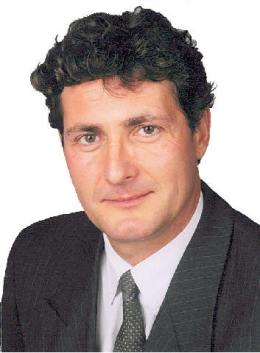
Constantin Sperneac - 2008by Roxana Curpas

www.phoenixmission.org

Constantin Sperneac-Wolfer s-a nascut in “vestul civilizat” de pe malul Begeului, in Timisoara, iar destinul sau actual – acela de banatean, cetatean roman si german, membru al comunitatii europene incepuse sa se contureze inca din copilarie. Pe atunci, prin anii ’60, Banatul mai pastra ceva din diversitatea monarhiei austro-ungare, asa ca el a avut sansa sa creasca intr-un mediu absolut multicultural si sa vina in contact cu limbi si culturi diferite – maghiara, sarba, ceha, germana, idis, etc.

De cand se stie, pe Sperneac-Wolfer l-au fascinat departarile, necunoscutul, noul, de aceea de la bun inceput, dar si in plina perioada ceausista – cu toate ca nu trecuse niciodata granita inainte de anii ’90 – s-a simtit ca un european avant-la-lettre, convins fiind ca va gasi pana la urma, “lumea larga” pe care o descoperise in lecturile sale filosofice si la care visa. Totusi, odata ajuns in Germania, dupa revolutia din Romania – la care a luat parte direct – nu a aflat acelasi spirit larg european, cultivat in Timisoara sa natala.

La ce varsta v-ati decis ca doriti sa studiati dreptul si de ce? Unde ati studiat si in ce perioada? De ce v-ati orientat spre avocatura? V-a influentat cineva in alegerea profesiei? Cine a fost modelul dvs. ca student si apoi, ca tanar avocat?

Cred ca in cazul meu, alegerea profesiei este cumva legata de spiritul orasului in care m-am nascut. La 18 ani, cind trebuia sa le comunic parintilor – absolut ingrijorati de dezorientarea mea profesionala din acel moment – ce anume intentionez sa studiez dupa liceu, nu aveam inca un raspuns. Nu stiam decat doua lucruri, dar le stiam foarte bine.

In primul rand, voiam sa fiu cat mai departe de casa ! Iasul m-a salvat atunci. In acest oras exista una din cele patru facultati de drept din tara, iar distanta fata de Timisoara era de aproape 16 ore de mers cu trenul. In al doilea rand, nu vroiam sa imbratisez o meserie prin care sa fiu obligat sa intru in partidul comunist sau sa ma aflu la dispozitia altora, oameni ce ar putea sa-mi impuna cum sa traiesc si sa gandesc. La vremea respectiva, in Romania dictaturii comuniste, o singura meserie iti permitea o relativa libertate profesionala si intelectuala – avocatura.

Aceasta profesie era considerata ca un bibelou de portelan, de care de fapt, nu ai nevoie, dar pe care il pastrezi, pe de o parte, ca sa nu zica lumea internationala ca tocmai Romania nu are un sistem juridic independent, iar pe de alta parte, si ca “lada de gunoi”, ce permitea “trecerea pe linie moarta” a celor care se poticnisera in sistemul politic existent. Cand am terminat facultatea la Iasi si am inceput sa profesez ca avocat in Radauti, la 24 de ani, eram unul dintre putinii si printre cei mai tineri avocati veniti direct de pe bancile scolii. Cei mai multi dintre colegi – la fel si in alte barouri – erau fosti jurisconsulti, judecatori, procurori, militieni cu stagii de drept la fara frecventa, care avusera ghinionul de a nu fi placut cuiva din partid si prin urmare, fuseserea direct catapultati la “lada de gunoi” a avocaturii, asa cum se spunea in jargonul acelor ani.

Ce s-a intamplat dupa absolvirea facultatii, cum ati evoluat? Ce specializari aveti? In ce consta job-ul pe care il faceti in prezent?

Dupa Radauti, au urmat alti ani de avocatura la Lugoj si Timisoara, unde lupta pentru clienti, si prin asta vreau sa zic lupta pentru existenta, era extrem de grea pentru stagiarii fara “pile si relatii” cum eram eu. Plafonul maximal de castig era limitat pe luna, la suma fabuloasa pe atunci, de 3.000, 00 de lei, dar nu exista un plafon minim de incasari – capitalism pur ! Nu atat in studentie, ci fiind avocat stagiar, am invatat ce este foamea, nereusind uneori sa-mi castig nici macar banii pentru bucata de paine din ziua respectiva sau ca sa-mi platesc gazda. Dar eram liber si aceasta conta; liber sa profesez o profesie liberala fara clienti, sa citesc carti pe care nu le citea nimeni, sa umblu in natura, lucru care nu interesa pe nimeni, sa iubesc la modul deschis, acolo unde ceilalti cautau doar avantajele unei pozitii sociale adecvate. Atunci am invatat ca in viata, lucrurile cele mai minunate le primim de fapt, gratis.

Imediat dupa Revolutie – dupa sapte ani de avocatura in Romania – am fost tentat sa intru in viata politica, dupa ce in sfarsit, mi-am vazut implinit visul caderii dictaturii comuniste. Am fost printre primii care inca in zilele in care se tragea la Timisoara, am participat la intalnirile partidului liberal, ce se tineau pe atunci intr-o camaruta dosnica dintr-o cladire darapanata din cartierul vechi. Imi inchipui ca poate as fi avut ceva sanse sa avansez in viata politica  cel putin, la nivel local si regional. Participasem nemijlocit la Revolutie, nu eram membru de partid, facusem parte din diferite grupari, sa le spunem dizidente, cum era cea a “Dialogului” din Iasi, unde scriam in timpul studentiei, fusesem de cateva ori convocat si amenintat cu represalii de securitate, in Radauti si Timisoara etc. Mi-am dat insa seama imediat ca nu un succes politic de scurta durata, ci doar o pregatire profesionala serioasa este adevarata mea sansa sa ma implinesc ca om si ca profesionist. Am hotarat asadar, sa fac studiile juridice in Germania, cu atat mai mult cu cat urmasem – ca singurul elev roman – scoala generala cu limba de predare germana si eram in stare sa inteleg textele de specialitate.

Cand am inceput al doilea studiu in Mannheim, m-am axat pe dreptul administrativ si constitutional, materii juridice care au contribuit la transformarea Germaniei in doar catva decenii dupa razboi, intr-o tara democratica si stabila economic, asa cum imi inchipuiam eu atunci, Romania postrevolutionara. La aceasta s-a adaugat dreptul ecologic, reprezentand o alta aplecare a mea spre natura si drumetii. Din pacate, daca vroiam sa raman pe o astfel de specialitate ca avocat, dupa terminarea studiilor, sansele sa-mi intretin familia si cei doi baieti erau minime, avand in vedere preturile extrem de reduse, prevazute pe atunci, in tariful avocatilor germani.

Cu toate ca am facut practica in calitate de procuror si judecator, respectiv am lucrat ca stagiar in administratia publica, marturisesc ca spiritul liberal, adus din Timisora m-a inspirat si de aceasta data si in cele din urma, am decis sa renunt sa mai caut un post in justitie sau administratie, continuand in liberala avocatura.

La 35 de ani, cati aveam dupa absolvirea celui de-al doilea an de studii de drept, sansa de a gasi un job ca avocat angajat era atunci ca si astazi, aproape nula; iar fara experienta profesionala, nici o banca nu mi-ar fi finantat deschiderea unui birou privat de avocatura. A trebuit sa ma reprofilez pe materii noi si foarte speciale – dreptul impozitelor, drept financiar, comercial, etc. Am continuat sa studiez, sa invat, sa ma perfectionez, atat in Germania – in Mannheim, Heidelberg si Tubingen – cat si in strainatate – in Anvers si Rotterdam. In cele din urma, am fost angajat la cel mai mare si mai important birou de avocatura din Germania, la momentul respectiv. Experienta unui birou international cu peste doua mii cinci sute de avocati angajati, avand sedii din Tokyo pana in Shangai, Milano, Praga, Londra si Bucuresti! Am avut ocazia sa invat enorm, dar si sa-mi vad tara natala de pe “celalt mal”, insotind investitori marcanti, in Romania.

Am lucrat apoi, intr-un birou de avocatura britanic international “Lovells”, tot in Frankfurt, pana cind am preluat conducerea departamentului juridic al unui birou de experti contabili si in taxe, de marime mijlocie, din cea mai frumoasa regiune a Germaniei, Baden. In 2004, m-am “privatizat”, deschizandu-mi un birou in orasul visurilor si al cartilor mele de adolescent: Baden-Baden. Mentionez doar ca in acest oras – fosta capitala de vara a Europei in secolele trecute – se gaseste capela mortuara a ultimului domnitor al Moldovei – Sturza, capela apartinand Mitropoliei Moldovei si in care se tine in mod traditional, slujba ortodoxa in limba romana. In sfirsit, gasisem amestecul ideal cautat de atatia ani : cultura, natura, spirit national sanatos.

Este adevarat ca doar cei bogati apeleaza la serviciile unui avocat specializat pentru a-si intocmi testamentul? Mai mult decat atat, este optionala prezenta avocatului atunci cand vine vorba de intocmirea testamentului? Este la moda in ziua de azi sa iti intocmesti testamentul on-line? Cat de sigura este aceasta procedura?

In Baden-Baden, desigur ca si clientii au un anumit nivel si in consecinta, tema intocmirii unui testament este deosebit de interesanta, atat ca materie, cat si ca onorariu. Dar clientul meu ideal nu este neaparat cel bogat, ci cel international, care imi ofera posibilitatea de a ma ocupa de aspecte juridice noi.

Acesta este si motivul pentru care ofer consultanta in domeniul testamentelor in mai multe tari, in special clientilor care au avere sau domiciliul in Germania, respectiv avere in strainatate, dar si romanilor din Germania, cu avere mostenita in Romania.

Atunci cind ma refer la consultanta in acest domeniu, inteleg nu doar redactarea unui testament, ci si consultanta legata de aspectul impozitului pe mostenire, impartirea averii, vanzarea acesteia, desfasurarea de procese legate de mostenire, etc.

Ce face de obicei, un executor testamentar? Ce raspundere morala presupune calitatea de executor testamentar? Ce avantaje au cei care apeleaza la serviciile unui executor testamentar specializat? Ati trecut si prin momente mai stanjenitoare, mai complicate la deschiderea unei mosteniri?

Este adevarat ca una dintre calificarile mele si in consecinta, unul din titlurile protejate profesional purtate de mine este aceea de executor testmentar. Aceasta inseamna ca sunt insarcinat de defunct, respectiv de instanta competenta, sa ii folosesc averea dupa moarte, conform vointei sale. Poate fi vorba de infiintarea unei fundatii sau de gestionarea unui firme pana la majorat, atunci cand copiii mostenitori sunt inca minori sau de impartirea mostenirii conform ultimei vointe a defunctului.

Vorbind despre contracte, cat de veridic este faptul ca o singura virugla poate da loc la interpretari diferite intr-un contract? Ce ne puteti spune despre urmarile ambiguitatii limbajului contractual, cum ar fi folosirea lui “si,” “sau,” “fiecare”? Cum comentati ambiguitatea sintactica intr-un contract? Care sunt cele mai frecvente greseli pe care le-ati intalnit in ceea ce priveste intocmirea unui contract?

Cea mai frecventa greseala – mai ales privind activitatea firmelor romanesti in Germania – este aceea de a nu face nici un contract sau de a folosi contracte tipizate, care nu potrivesc in nici un fel. Costurile de proces si mai ales, riscul de a pierde sunt de cateva ori mai mari decat taxa platita la inceput unui avocat specializat sa intocmeasca un contract bilingv, cu toate clauzele necesare. Principiul meu este acela de a evita procese in viitor, prin redactarea unor contracte viabile, in care se regaseste vointa partilor.

De cat timp va ocupati de falimentul firmelor si cate cazuri solutinati cu aproximatie lunar/anual? Ati publicat ceva in acest domeniu? Cat dureaza si in ce consta procedura de declarare a falimentului unei firme?

Este adevarat ca am dreptul, mai bine zis privilegiul, de a fi admis in listele de sindici cu titlul de administrator/lichidator al instantelor din Heidelberg, Mannheim si Ludwigshaven, dar marturisesc ca evolutia buna a economiei germane pana la inceputul acestui an a facut ca materia restructurarilor de firme si a fuzionarilor sa fie mai intersanta si mai lucrativa decat lichidarea lor, asa ca acesta este domeniul in care am fost activ cu precadere, in ultima perioda. Daca actuala criza va conduce la falimente si care vor fi consecintele, va trebui sa intrebam un oracol.

Care ar fi primul lucru pe care l-ati propune pentru imbunatatirea legislatiei comerciale?

La acest punct trebuie sa va marturisesc o mare dezamagire – in toti acesti 19 ani care au trecut de la revolutie, nu am reusit sa stabilesc o legatura profesionala cu colegi sau institutii in Romania.

Acum cativa ani, le-am facut o oferta multor camere de comert si industrie din Romania privind colaborarea, livrarea de materiale de drept economic si comercial, sustinerea de cursuri si schimburi de informatii juridice, etc. Nu am primit decit un singur raspuns, ca si confirmare de primire. Acelasi lucru l-am inregistrat si anul trecut, cand le-am scris mai multor (circa 37) barouri de avocatura din Romania, propunandu-le colegilor interesati un schimb de infomatii pe dreptul german, sprijin privind materiale juridice pentru eventuale lucrari de doctorat, colaborarea pe cauze privind intesesele clientilor in Germania sau Romania, etc. Am primit doua raspunsuri de confirmare si atat.

Se pare ca nu exista nici cel mai mic interes in acest sens, cu toate ca in Romania, cu cateva exceptii privind in parte dreptul economic si comercial, celelalte materii de drept – in special dreptul procesual, civil si succesoral provenite din perioda de origine a Codului Civil Roman de la sfarsitul secolului 19 – sunt total depasite. Ma mir ca nu se intelege ca legislativa si jurisprudenta sint atuuri foarte importante in concurenta globala internationala, mai importante chiar decat infrastructura si avantajele de taxe oferite investitorilor straini, asa cum s-a practicat in mod traditional pana acum, in Romania.

Pe de alta parte, se incearca sa se inventeze ceea ce exista deja demult in dreptul european. Rezultatul? Comisia Europeana releva ca principalele carente ale Romaniei se afla tocmai la nivelul sistemului de drept. Dar si fara sa intram in detalii “tehnice”, este suficient sa ne intrebam cum arata accesul la justitie al omului de rand din Romania, care sunt costurile legate de aceasta, in cat timp se solutioneaza o cauza, in ce conditii se poate executa sentinta. Raspunsul cred ca il cunoastem cu totii, cei care mai avem prieteni sau cunostinte in Romania.

Care sunt cele mai riscante si mai obositoare aspecte in activitatea dvs. profesionala?

Activitatea mea pare interesanta, la prima vedere. Intre timp, am dobandit prin cursuri si nenumarate examene, calificari deosebite:  dreptul muncii, dreptul falimentului, dreptul impozitelor, dreptul mostenirilor, etc. Comunic personal sau la telefon si electronic cu o multime de oameni zilnic, rezolv o multime de probleme exterm de interesante si mai ales diverse, incepand de la consultanta firmelor pana la intocmirea unui testament privind uneori, averi considerabile, etc. Dar munca este stresanta, presupunand o raspundere profesioanla extrem de mare. Cea mai mai mica neatentie poate costa enorm. Iar capitalul biroului si al meu personal -singurul, de altfel – este extrem de fragil, si anume increderea clientului.

Avantajul meu fata de colegii din Germania care pratica avocatura la modul “clasic” sa-i spunem, este experienta dobandita in Romania, care ma ajuta sa caut si sa gasesc de fiecare data, in cele mai deosebite situatii, solutii creative de rezolvare. Desigur, ma ajuta si faptul ca m-am ocupat in acest rastimp de 25 de ani, de cand am fost numit avocat stagiar la Radauti in 1984, de multe domenii juridice si sunt in masura sa ofer solutii variate si pragmatice, in cele mai multe situatii. Deviza mea este: nu dispera niciodata, trebuie sa mai existe o cale !

Sunteti multumit de realizarile profesionale pe care le-ati avut pana in prezent? Ce va place si ce va displace cel mai mult in munca dvs.?

Sunt multimit ca am reusit in ultimii ani, in pofida unui ritm inebunitor de munca, sa aprofundez si alte sisteme de drept, in asa fel incat in prezent, sunt in masura sa ofer consultanta in limba de specialitate, in drept spaniol, italian si francez. Sunt de altfel, si membru in asociatiile de juristi respective, fiind informat cu privire la tot se se intampla in celelalte sisteme de drept european. Mi-ar place sa deschid intr-o buna zi, birouri de consultanta in acele tari. Cine stie, daca as gasi un partener potrivit si o nisa speciala in consultanta -de exemplu, dreptul succesoral international – mi-as dori sa fac un prim pas in afara Germaniei, cu birouri pe piata internationala de consultanta.

Ce le-ati recomanda absolventilor de drept care intentioneaza sa inceapa o cariera in domeniul dreptului comercial?

Admir tinerii romani veniti in vest la studii, care muncesc enorm si sunt hotarati sa se dezvolte profesional. Imi amintesc ca in timpul studentiei, citeam cu cei mai apropiati colegi si prieteni textele lui Iorga, despre centrul de studii infiintat de el in Italia, respectiv ideile lui Parvan privind autonomia universitara in Romania, de dupa Unirea din 1918. Cred ca acelasi patos il regasesc si la acesti tineri. Trasaturile de caracter ce se desprind din textele amintite mai sus, consider ca le regasesc si la ei.

Ce hobby-uri aveti? Cat de des vizitati Romania? Ce mesaj ati dori sa le transmiteti romanilor, indiferent ca se afla in Romania sau in alta parte a lumii?

Hobby-urile mele – calatoriile, filosofia si teologia-  le-am integrat in profesia mea. Nu las clientul sa vina la mine la birou, ci ma deplasez la el, deci calatoresc, iar in tren sau in avion citesc carti de filosofie. Pana sa ajung la destinatie, intru in cele mai deosebite biserici si/sau muzee pe care le intalnesc.

Doresc sa ii incurajez pe cei au emigrat sa inteleaga ca prin munca si seriozitate se poate obtine orice, chiar daca fructele vin tirziu; in lumea valorilor insa, niciodata nu este prea tarziu.

Romanilor, in special celor tineri aflati in tara, le adresez indemnul de a profita de pe urma aderarii tarii noastre la UE. Sa incerce cat mai multe experiente profesionale internationale si sa-si verifice competenta la acest nivel. Nu job-ul obisnuit, de acasa, ci faptul de a-ti putea castiga in mod onorabil si profesionist painea in vest, este adevarata masura a lucrurilor, dupa parerea mea. Sa nu le fie teama de aceasta experienta. Aventura cunoasterii este intotdeauna fascinanta!

Mai presus de mirajul scenei

ADINA-SASBy Roxana Curpas

Arnold Bennett, un renumit scriitor englez, comenta intr-unul din romanele sale „acea calitate misterioasa numita stil”. Stilul constituie modul în care spunem, facem sau exprimam ceva, stilul reprezinta însasi manifestarea persoanei noastre, a ceea ce ne defineste, a ceea ce suntem. Metaforic vorbind, stilul este vestmântul gândurilor pe care le avem, un dar, o mirodenie ce ne deosebeste de ceilalti, cu alte cuvinte, stilul conteaza si face de cele mai multe ori diferenta, mai ales atunci când vine vorba de celebritati.

O prezenta cu stil, dar si o celebritate este si românca Adina Sas-Simoniak, licentiata în actorie a Academiei de Teatru din Tg. Mures, în prezent unul din numele de marca ale Televiziunii Crestine Romane din Chicago, unde realizeaza emisiunea „Cuvinte pentru suflet”. Nascuta intr-o zi de iarna, pe 10 ianuarie, in cel mai frumos satuc de la poalele Muntilor Zarandului, Cuvin, din judetul Arad, aceasta emigreaza împreuna cu sotul ei in Statele Unite în aprilie 1997, lasând în urma un debut la Televiziunea din Arad, dar si mirajul efemer al scenei.

Cu toate ca scandura i-a adus popularitate, iar dupa absolvirea facultatii in 1995, a trait într-un fel unic fiecare partitura interpretata, transpunându-se în pielea personajului si încercand o abordare noua, diferita de cea clasica, Adina întelege ca în arta resursele sunt nelimitate, iar granita dintre teatru, jurnalism si literatura se întrepatrunde, astfel ca un actor poate sa se simta inspirat sa încerce noi modalitati de exprimare. Propria structura sufleteasca îi permite acest lucru, iar începuturile ei în publicistica se produc în revista Oastea Domnului, dupa care Sas-Simoniak continua sa se afirme cu articole in Flacara Rusaliilor, “Cuvântul Adevarului, “Meridianul Romanesc”, “Genesis.

Are de asemenea, sansa sa editeze câtiva ani la rând, revista Televiziunii Crestine Romane – Crestinul in actiune, iar in aprilie 2003, vede lumina tiparului prima editie din Orizont crestin, probabil singura tiparitura ce reuseste sa îi uneasca pe crestinii de diferite confesiuni – ortodocsi, baptisti, penticostali, crestini dupa Evanghelie si adventisti.

Distribuita în toata comunitatea româna din Chicago si împrejurimi, construita în jurul unor rubrici precum “Stiati ca…?”, “Punct turistic”, “File de istorie”, “De la gospodine… pentru gospodine!”, “Sanatate”, “Coltul de literatura”, “Maxime si cugetari”, rebus, etc. si finantându-se doar din reclame, revista publicata de Adina Sas-Simoniak îsi întrerupe aparitia cu putin timp în urma, în favoarea site-ului http://www.orizontcrestin.org/

De la jurnalism la literatura nu mai este decat un pas, iar talentul ei odata confirmat, urmeaza un alt moment crucial în cariera Adinei – anul 2002, când iese de sub tipar “Perpendiculara pe un colt de nemurire”, prima carte de versuri ce îi poarta semnatura. Pe lânga aceasta, Sas-Simoniak se mai ocupa de editarea a înca doua volume – “Semnul vietii” (o placheta cu stihurile pictoritei Dorothea Fleiss din Germania si poze realizate de artista-fotograf Lia Deznan din Chicago) si “Picuri din suflet” de Ion Soimosanu.

Ca orice iubitor de arta, Adina se hraneste la rândul sau, cu frumos si se delecteaza lecturând din John Ortberg, Bill Hybels, Smith Wigglesworth sau Jim Cymbala. Si pentru ca o veche zicala spune ca pâna la urma, carti din carti se nasc, una dintre dorintele despre care aceasta vorbeste la timpul viitor este aceea de a publica, pe lânga romanul la care lucreaza în prezent, un tom de poezii si eseuri, întitulat “Clepsidra cu sentimente”.

Un om cu contururi clasice, în care simtamintele se masoara ireversibil, asemenea timpului, relevand inteligenta, sensibilitate si spirit, atribute prin excelenta feminine – aceasta este Adina Sas-Simoniak care, într-o încercare fireasca si elevata de a simti vremurile, oamenii si situatiile si de a da raspunsuri la unele din problemele importante ale vietii într-un stil practic de întrebuinatare a celebritatii, s-a apucat si de consiliere spirituala, reusind sa se ridice din nou, la înaltimea asteptarilor. Preocupata de faptul ca exista nenumarate femei singure, neîntelese, în depresie, ce au nevoie de cineva care sa le asculte, sa nu le condamne, sa le puna sub picioare fasciculul de lumina care este credinta si care le conduce la Dumnezeu, Adina exploreaza si exploateaza si acest domeniu, încercând sa fie un sprijin pentru sufletele “bolnave” pe care le ajuta sa isi redobândeasca integritatea fizica si psihica. Ea însasi o mama si o sotie devotata pentru micuta Shanea, de doi anisori si pentru Simi, cel alaturi de care a pornit la drum în decembrie 1995, stie cât de important este sa reusesti sa “repari” si sa readuci echilibrul în viata celor care desi au dorit sa se bucure de sansa unei familii împlinite, nu le-a fost dat sa traiasca o asemenea fericire.

Daca ar fi sa formuleze într-o fraza stilul care o defineste, indiferent ca este vorba de televiziune, publicistica, literatura sau consiliere spirituala, Adina Sas-Simoniak, cândva eleva din “Lectia” lui Eugen Ionescu, ar spune astfel – inima mea sa nu iubeasca altceva decât lucrurile lui Dumnezeu. Fie ca apare pe sticla ori ca mânuieste condeiul sau ca încearca sa le sustina cu generozitate pe semenele ei si sa le convinga ca o pot lua de la capat, pentru ca o doare durerea lumii, aceasta o face în stilul ei optimist, motivat, atractiv. Un stil natural si plin de afectiune, ce a facut-o deja celebra.

Cupluri expuse cu stil de Sidonia Axente

Sidonia Axenteby Roxana Curpas

De la Lumiere incoace, fotografia a ramas pentru multi o pasiune, dar si o profesie facuta din pasiune. Asa s-a intamplat si cu Sidonia Axente, care imortalizeaza clipele cele mai frumoase si mai fericite din viata unui cuplu, logodna si nunta. Mai nou, cei doi, dupa ce devin parinti, se simt inspirati sa o cheme si la botez, asa ca portofoliul ei a continuat sa se diversifice. A invatat meserie chiar de la tatal ei si ne-a marturisit ca a debutat ca fotograf profesionist la doar 13 ani, desi pasiunea aceasta o avea inca de cand a intrat la scoala. Intre timp, a ajuns in Arizona, are doi copii si un sot care ii este si partener in aceasta afacere. Este un fotograf nativ si de 16 ani, de cand isi practica profesia, nu si-a pus niciodata problema sa se reorienteze spre altceva. Il admira pe Jerry Ghionis si ii plac cuplurile care arunca totul in joc, pentru o fotografie memorabila. Continue reading “Cupluri expuse cu stil de Sidonia Axente”